Music for clarinet in Bb and orchestra (op. 96c, 1993)
Instrumentation
2.2.2.2 - 3.3.2.1 - timpani, percussion <2>, strings
Duration: 20 minutes
Premiere
30. June 2000,
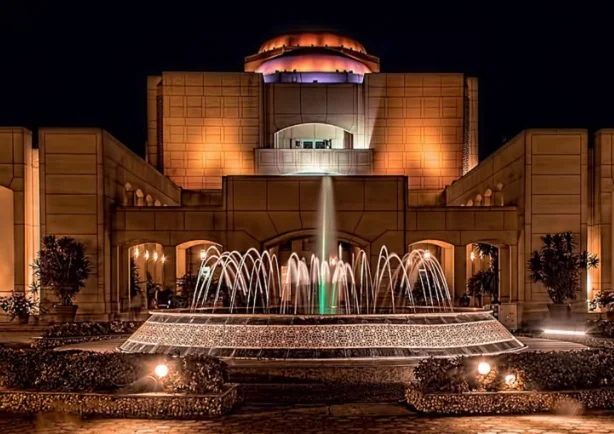
Cairo, Cairo Opera House
Mohamed Hamdy | Cairo Opera Orchestra | Jacek Kraszewski
Publisher
N. Simrock Hamburg-London (Boosey & Hawkes)
Piano reduction: EE 5290 / ISMN M-2211-2075-5




The Music for Clarinet in B flat and Orchestra, op. 96b has the character of an instrumental ballad with rhapsodic elements, in which the soloist functions as a narrator, so to speak. The one-movement work is divided into seven sections with contrasting dynamic and rhythmic structures.
The piece opens with a fanning out eight-part sound, which is repeatedly used to structure the piece. A diatonic, lyrical theme in the solo instrument develops into an initial climax. The second section is an allegro over throbbing basses, which leads into an orchestral tutti. The Gregorian hymn "Pange, lingua, gloriosi" is quoted in the third section, only to be linked with the throbbing allegro of the second section in the fourth.
The entire material of the work is worked through in the following formal section - the beginning of which is characterised by the abrupt interruption of a climax - in short orchestral and soloistic episodes. A final climax leads to the soloist's expansive cadenza, which forms the penultimate section. In the coda, the chorale motif is altered in a jazz-like manner; then a 16-part sound is built up, from which the clarinet makes its last musical statement - with a B flat-A-C-B motif that had already been heard several times before. A restrained E major sound with a fading upward glissando ends the work in extreme pianissimo.
Bertold Hummel