Discography
sorted by opus numbers

Sonatina for trumpet and piano (op. 1a)
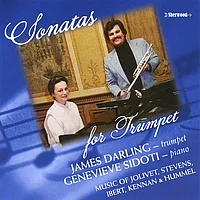
Sonatina for trumpet and piano (op. 1a)

Missa Brevis for choir and wind instruments (op. 5)

Sonata for violin and piano (op. 6)

Sonata for violin and piano (op. 6)

Tripartita for organ (op. 12)

Christmas Suite - IV. Scherzando (op. 13b)
Missa "Cantabo Domino" for mixed choir (op. 16)
Missa Brevis for 2 equal voices and organ (op. 18c)

Small suite for violoncello and piano (op. 19a)
Adagio for organ (op. 21)

Fantasy for organ (op. 25)

Suite For The Clarinet (op. 26a)

Concertino for bassoon and strings (op. 27b)

2. Symphonies (Reverence) (op. 30)

Würzburg Dommesse (op. 31)
Proprium for the feast of the Apostles of the Franks (op. 32)
Sonatina for violin and piano (op. 35a)
Ten piano pieces for children (op. 35b)

Metamorphoses for guitar solo (op. 37)

"Fresken 70" for four percussionists (op. 38)

"Fresken 70" for four percussionists (op. 38)
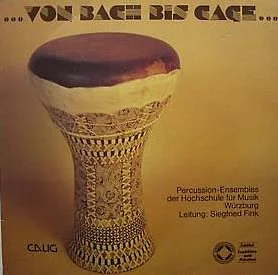
"Fresken 70" for four percussionists (op. 38)
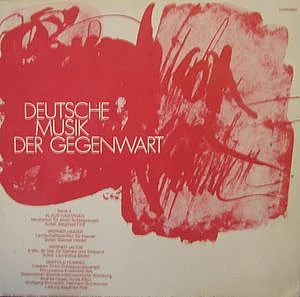
"Fresken 70" for four percussionists (op. 38)
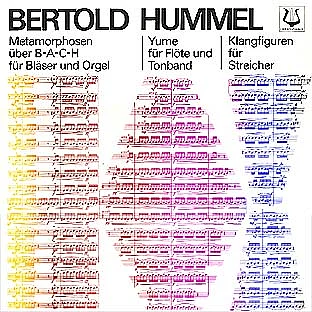
Metamorphoses for organ and wind instruments (op. 40)
Yume I-IV (op. 41a)

Three Marian frescoes for organ (op. 42)

3 Marian frescoes for organ (op. 42)
Sound figures for strings (op. 43)
Sound figures for strings (op. 43)
Alleluia for organ (op. 44)
Alleluia for organ (op. 44)
Biblical scenes for oboe and organ (op. 45)
2nd string quartet (op. 46)
2nd string quartet (op. 46)
Contrasts for strings (op. 50)
2nd Sonatina for viola and piano (op. 52b)
Sonatina for piano (op. 56a)

Sonatina for piano (op. 56a)
10 piano pieces for children (op. 56b)
Dankhymnus for choir a. c. (op. 57b)
5 scenes for 2 percussionists (op. 58)

Sonatina for trombone and piano (op. 59a)
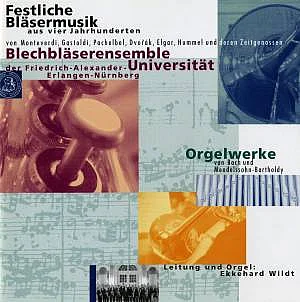
A little brass band (op. 61)

Adagio in memoriam B. Britten (op. 62a)
Adagio (op. 62a1)

Adagio (op. 62a2)
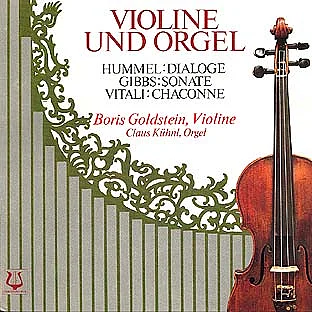
Dialogues for violin and organ (op. 63)
Dialogues for violin and organ (op. 63)
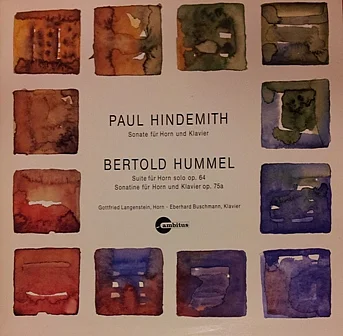
Suite for horn solo (op. 64)
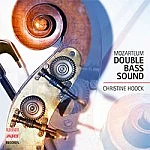
Sinfonia piccola for 8 Double Basses (op. 66)

Inovocationes for trumpet and organ (op. 68a)

Inovocationes for trumpet and organ (op. 68a)

Invocationes for soprano saxophone in Bb and organ (op. 68b)
Sonatina for double bass and piano (op. 69b)

Concerto for percussion and large orchestra (op. 70)
Six songs after poems by Hermann Hesse (op. 71a)

Faust scenes for wind instruments and percussion ensemble (op. 72b)
"Visions" for large orchestra (op. 73)

In Memoriam for organ and percussion (op. 74)

In Memoriam for organ and percussion (op. 74)
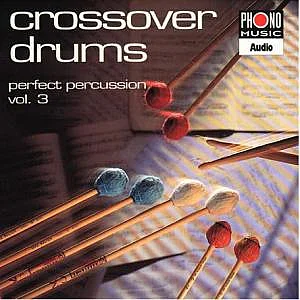
In Memoriam for organ and percussion (op. 74)
Sonatina for horn and piano (op. 75a)

Sonatina for horn and piano (op. 75a)
Valse time for Vibrafon (op. 76c)
Meditation for organ "Veni, sancte spiritus" (op. 77a)
Suite for violin solo (op. 78)
Suite for violin solo (op. 78)
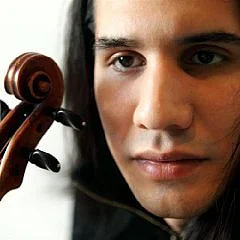
Suite for violin solo (op. 78)

Partita for chamber orchestra (op. 79)
"Poem" in two movements for violoncello and strings (op. 80)

Sonatina for tuba and piano (op. 81a)

Musica Urbana for large wind orchestra (op. 81c)

Symphonic overture for wind orchestra (op. 81d)
Tre Pezzi for saxophone in E flat solo (op. 81e)

Duettino for vibraphone (op. 82b)
3 piano pieces "Hommage a Alban Berg" (op. 83)

Three piano pieces "hommage à Alban Berg" (op. 83)

Sonatina for Recorder and Piano (op. 87b)
Due a Due for soprano saxophone in Bb and percussion (op. 88a)
5 aspects for 3 percussionists (op. 88d)
5 aspects for 3 percussionists (op. 88d)
Music for four saxophones (op. 88f)
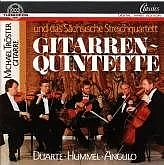
Concertante music for guitar and string quartet (op. 89a)

The Martyrs’ Shrine (op. 90)
In memoriam Anton Bruckner (op. 91a)

In Memoriam Anton Bruckner (op. 91a)
Quattro Pezzi for percussion solo (op. 92)
Sonata brevis for saxophone (E flat alto) and piano (op. 95a)

Sonata Brevis for alto saxophone and piano (op. 95a)
Marimbana for solo Marimba (op. 95d)

Religious Andante for 4 cellos (op. 95e)
Three waltzes for 2 and 4 hands (op. 95f)

Three Bagatelles for Tuba and Piano (op. 95h)

Fantasia II “In memory of Pablo Casals” (op. 97a)

Gregorian Fantasy for solo harp (op. 97b)

Cantate Domino (op. 97c)
Hail Mary for mixed choir a. c. (op. 97e1)
Ad Missam for 2 organs (op. 97g)

Symphony ‘Jeremiah’ (op. 100)

Fantasia poetica ‘in memoriam Wolfgang Borchert’ for hammered dulcimer and viola (op. 101b)
Benedicamus Domino (op. 102)

Let us bless the Lord (op. 102)

Saxophonia for saxophone orchestra (op. 103a)
Keyboard games Small piano album for my grandchildren (op. 103d)
Headless - song cycle based on bizarre poems by Hermann Hesse (op. 108)