Sonata brevis for violoncello and piano (op. 11a, 1955)
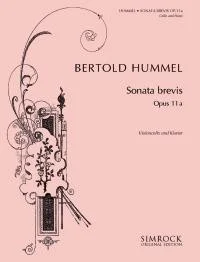
I. Allegro, II. Sostenuto, III. Presto
Violoncello, piano
Duration: 13 minutes
Bertold Hummel | Virginia Fortescue
Title: Sonata for cello + piano / Kleine Sonate (1955) for violoncello + piano - Length: 28 pages - Date: I. movement: 4 March 55 Windhoek II. Movement: 29. III. 55 Omaruru III. movement: 20. V. 55 Pretoria - Location:
N. Simrock Hamburg-London (Boosey & Hawkes) EE 3338 / ISMN M-2211-2078-6
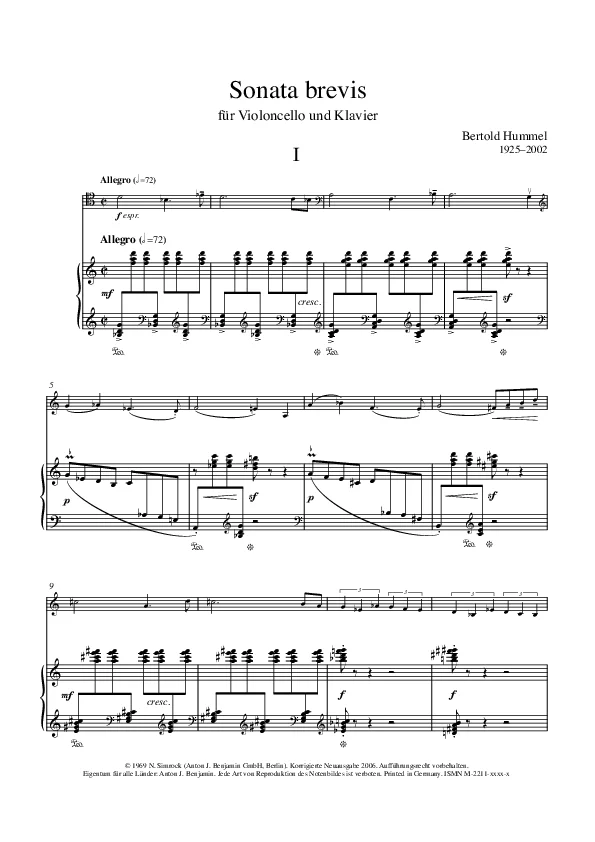

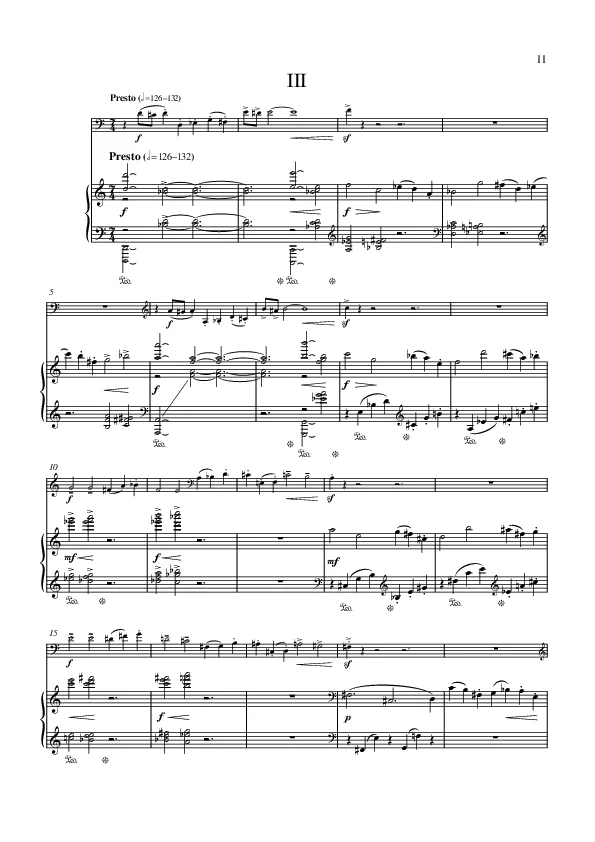
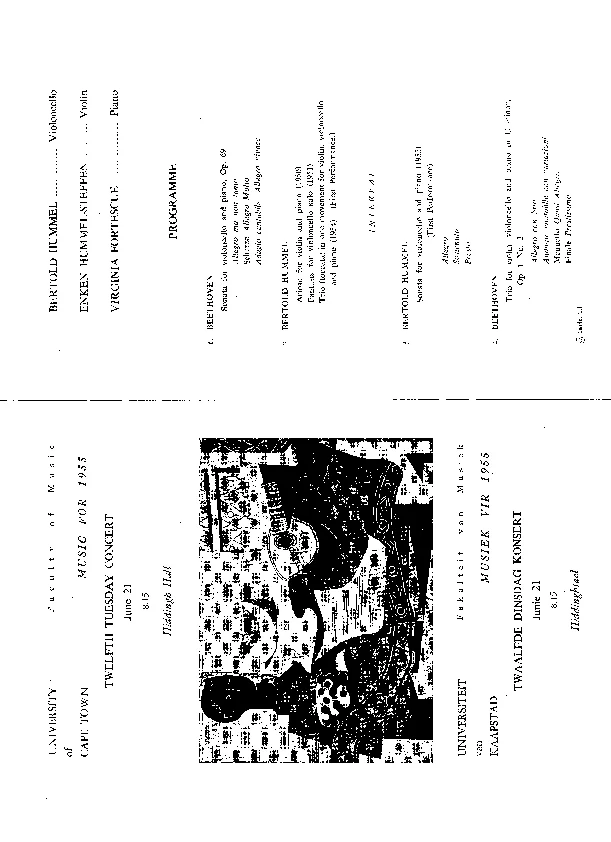
The *Sonata brevis* for cello and piano, composed in 1955, reveals a composer who is well versed in the art of the possible. It is a piece that could well earn the gratitude of musicians, and, for all its distinctive character, it is by no means unpalatable to the ear.
Literature list of the German Music Council for the "Jugend musiziert" competition: Difficulty level 3/intermediate (Intermediate I)




The Sonata brevis was composed in 1955 during a concert tour of the South African Union with the intention of gently acclimatising local ears to contemporary European music. As a result, the themes and harmonies are designed to be easy to grasp and the instrumentation is intended to be as clear as possible. The piece was premiered in Cape Town with the composer on the cello. I hope that it will also find its way directly to the listener here - without an analytical introduction.
Bertold Hummel (speech on 26 January 1965 at a concert of the "Studio für Neue Musik" in Würzburg)
The concise 3-movement work gives the solo instrument ample opportunity for cantabile development. The spirited outer movements frame a restrained "Arioso". The formal structure is based on classical models.
Bertold Hummel 1973
We got married in South Africa - far away from any relatives - in Swakopmund. I then gave my wife a present in the form of a sonata - it wasn't as hairy as the piece you've just heard (op. 9), it was more binding. This piece has three movements. The first movement is in sonata form - please note the rumba rhythm in the piano. At that time I had heard a lot of African music and it sounds a bit pure. The 2nd movement is European. It is an aria, an arioso. The 3rd movement is European again and is a rondo. So have fun listening to this sonata and remember that it was written in southern Africa.
Bertold Hummel (speech on 3 May 1996 at a concert of the Sing- und Musikschule in Kempten)
Preface (Simrock EE 3338, 2006)
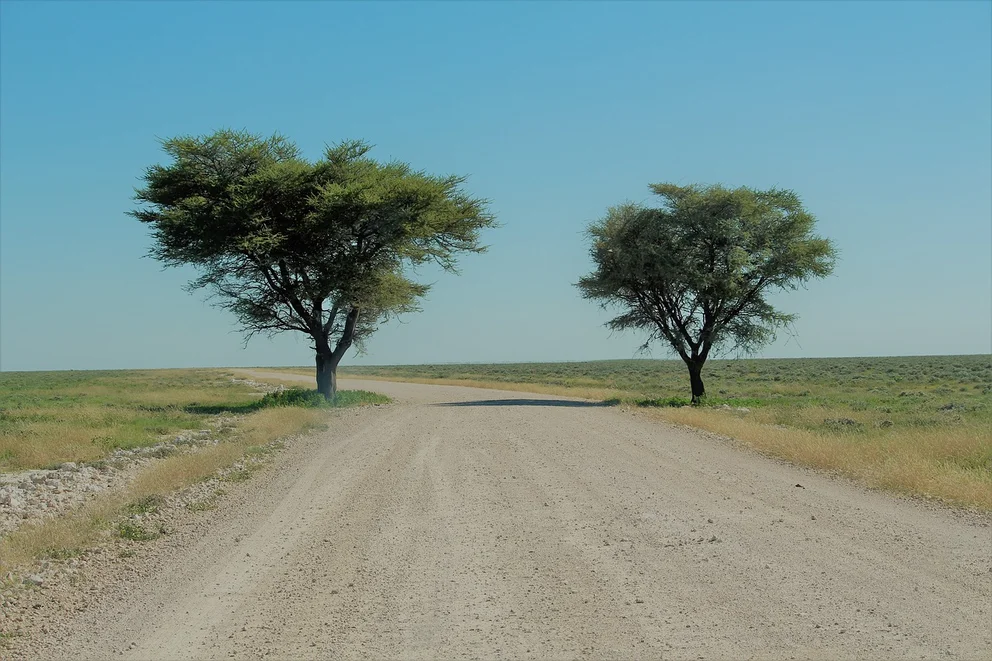
Bertold Hummel wrote the Sonata brevis during an extended tour of South Africa in the spring of 1955. The dating of the individual movements shows the route he took with a small group of musicians and theatre performers from Germany through what is now Namibia and South Africa. The powerful theme of the first movement was composed in Windhoek, the sweeping cantilena of the Sostenuto in Omaruru and the Presto in 7/4 time of the last movement in the capital Pretoria. The 30-year-old composer and cellist premièred his Sonata brevis in a chamber concert at the University of Cape Town.
Since its first publication by Simrock in 1969, this lively work has enjoyed great popularity among performers and listeners alike and will continue to find performers in the future with this carefully revised new edition.
Martin Hummel
The piece, composed in 1955, reveals Bertold Hummel's close familiarity with "his" instrument, which he studied with Atis Teichmanis, just like the Cello Sonata op. 2 composed a few years earlier. The entire work is characterised by joyful playing and catchy melodies, with the brilliant final movement in 7/4 time making a particularly strong impression. The newly arranged and carefully revised new edition will also be an interesting addition to the repertoire of young cellists.
(New releases 2007 Boosey & Hawkes / Schott)