A little wind music (op. 61, 1976)
for 3 trumpets and 3 trombones
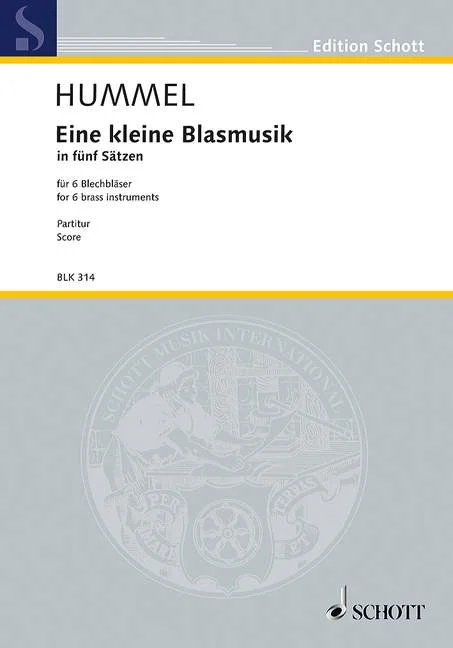
I. Fanfare, II. Melody, III. Intermezzo, IV. Prozession, V. Finale
Parts in C: 1st part: trumpet, 2nd part: trumpet, 3rd part: trumpet, 4th part: trombone, 5th part: trombone, 6th part: trombone or tuba
Parts in Bb: 1st part: trumpet or flugelhorn, 2nd part: trumpet or flugelhorn, 3rd part: trumpet or flugelhorn, 4th part: tenor horn, 5th part: tenor horn or baryton, 6th part: tuba or bass trombone
Duration: 12 minutes
Title: "Eine kleine Blasmusik" in 5 movements for 3 trumpets and 3 trombones - Length: 32 pages - Dated: I. 11.II.75 / II. Dorfgastein / III. 22.II.76 / IV. 15.2.75 / V. Dorfgastein 3 March 76 - Location: Bavarian State Library Munich
Schott Music International (score and parts in C and Bb)
Score: BLK 314 / ISMN: 979-0-001-14189-5
Parts: BLK 315-1-6
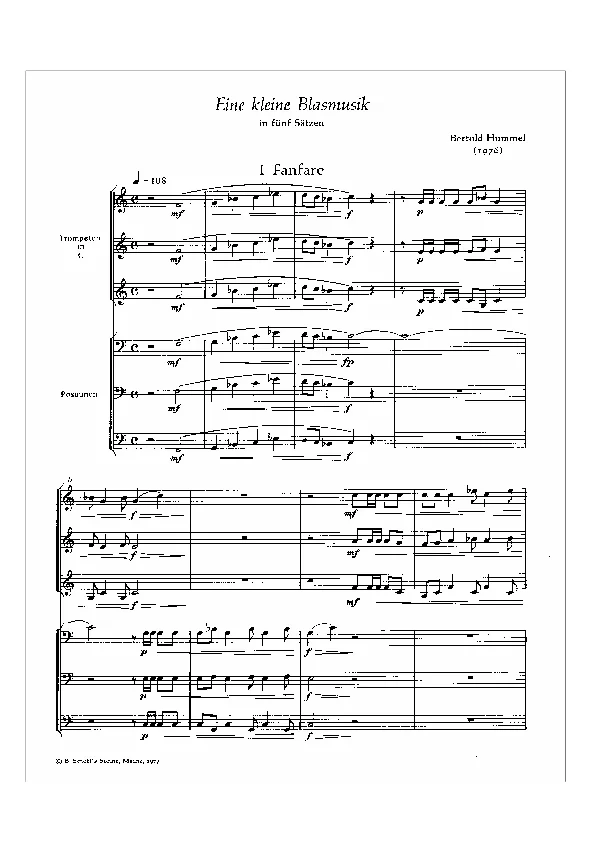
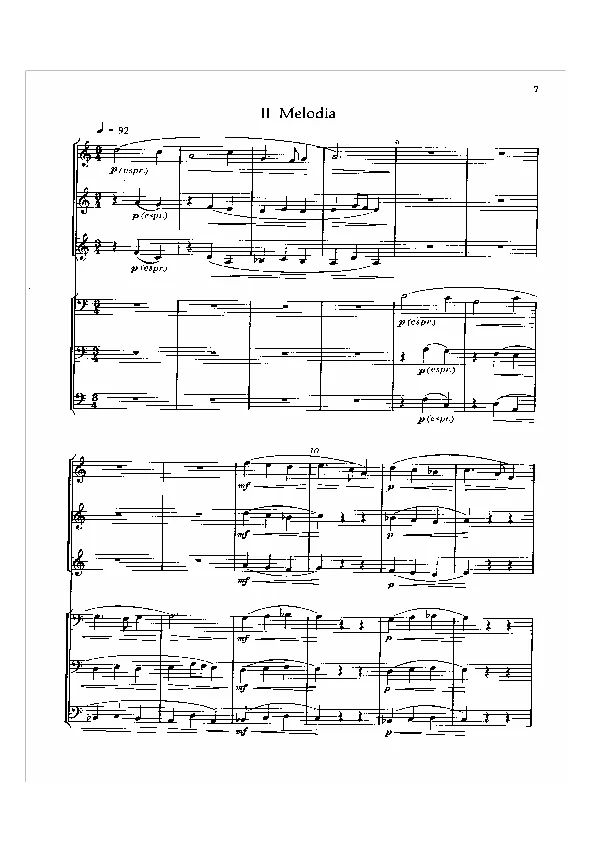
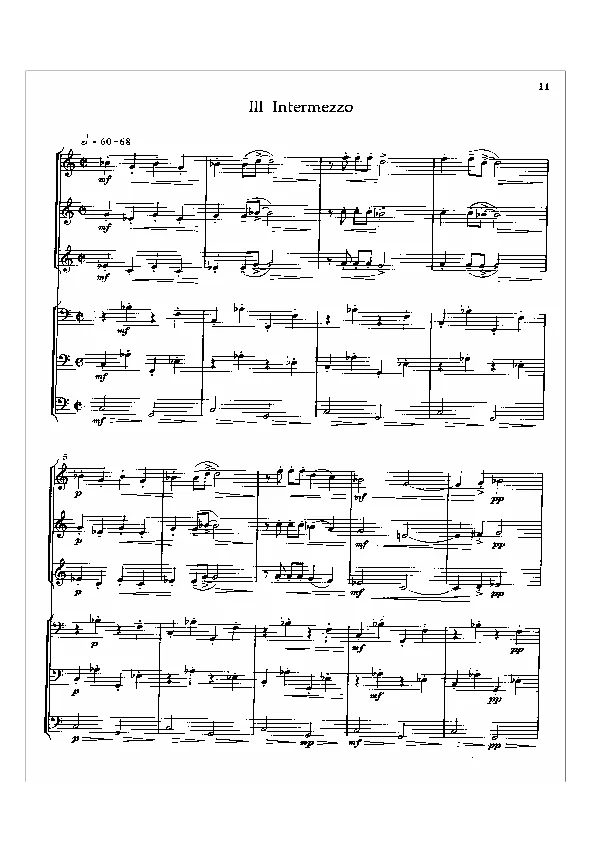

Bertold Hummel penned"Eine kleine Blasmusik" in unmistakable reference to Mozart's"Kleine Nachtmusik". Musically, however, the two works can hardly be compared. The harmonic gesture of Hummel's composition is more reminiscent of the pithy fanfare sounds familiar from the marching in of gladiators or the battle of the musketeers, from films about sandals or cloaks and swords. The work, which is also rhythmically interesting, was played with finely graduated dynamics and well-chosen tempi.




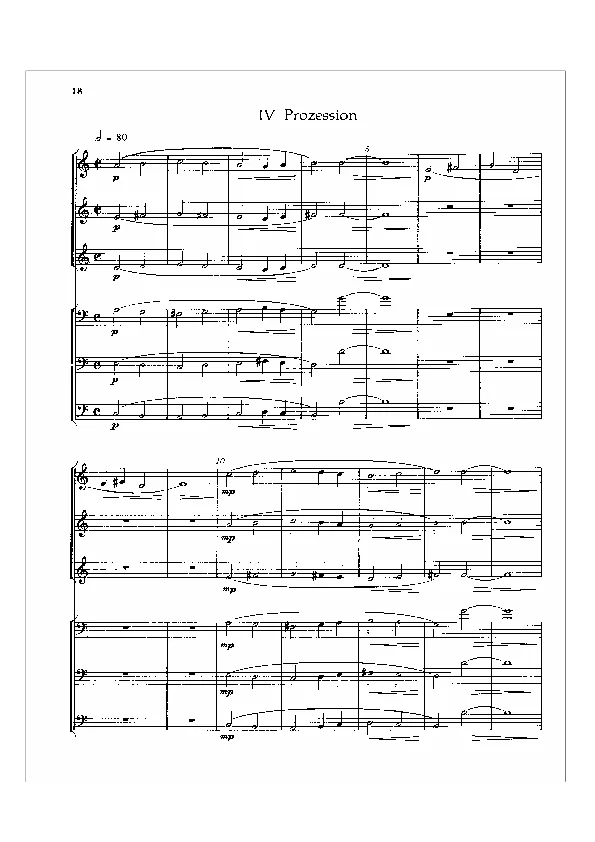
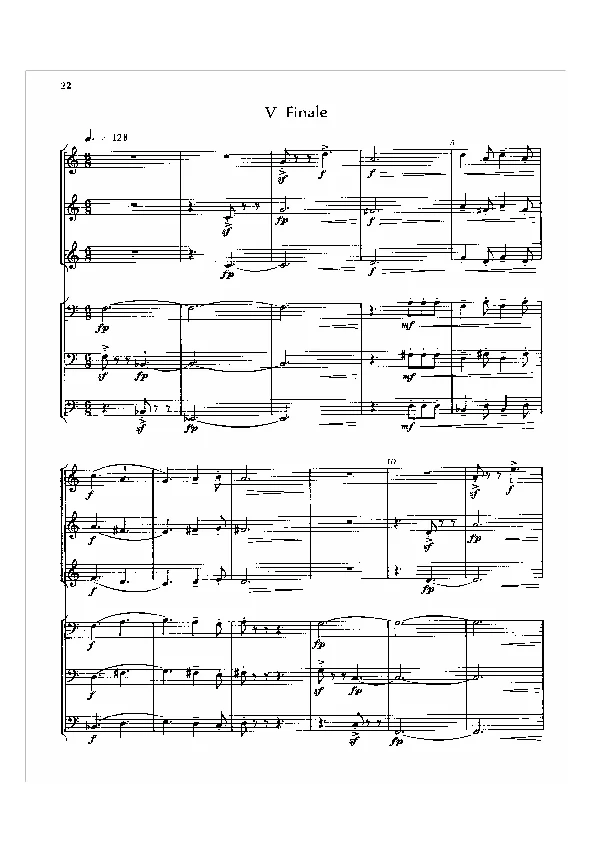
The work was composed in 1976 and belongs to the indestructible genre of"game music" orientated towards traditional patterns."Spielmusik" probably means music without the claim that there is something "behind" or even "below" it. The five movements are reminiscent of the serenade (the title also alludes to Mozart's famous K. 525, which originally had five movements). Instead of the central Adagio in the Serenade, the composer here groups typical wind characters around an intermezzo. The sound is characterised not least by the paired instrumentation (three trumpets, three trombones). Hummel often plays out the imitative polychoralism that this creates, thereby expanding the historical depth dimension. The fourth movement, entitled Procession, is not only reminiscent of a genuine field of application for the wind instruments, but also of the alternating chorus, the original basis of polychoralism, and in its fading conclusion, of a famous predecessor piece: the Pilgrim's March from Berlioz'"Harold in Italy".
Thomas Röder
"Eine kleine Blasmusik" (1976) by Bertold Hummel (born 1925) is based on typical 19th century character movements. A strangely archaic sound is mixed with contemporary rhythms.
(from the programme of Brass Jericho Berlin)