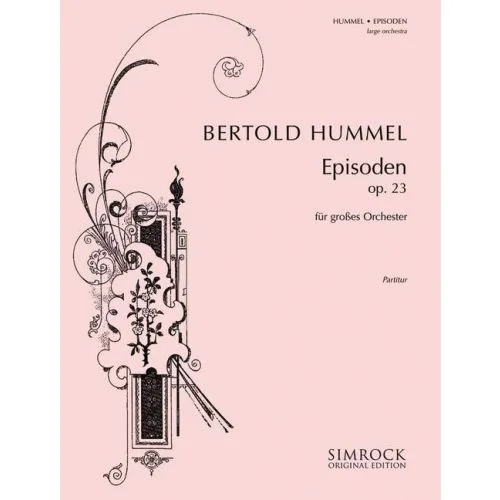
Episodes for large orchestra (op. 23b, 1962)
Movement titles
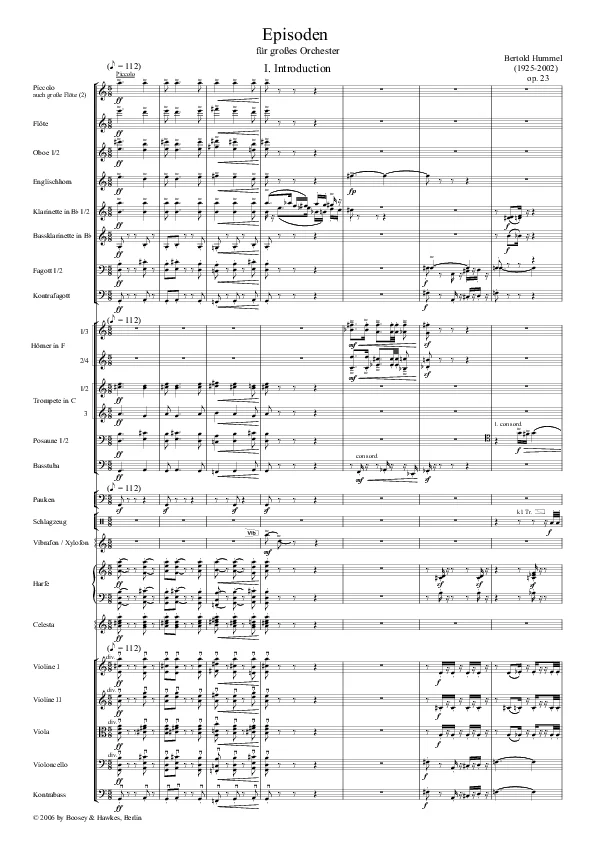
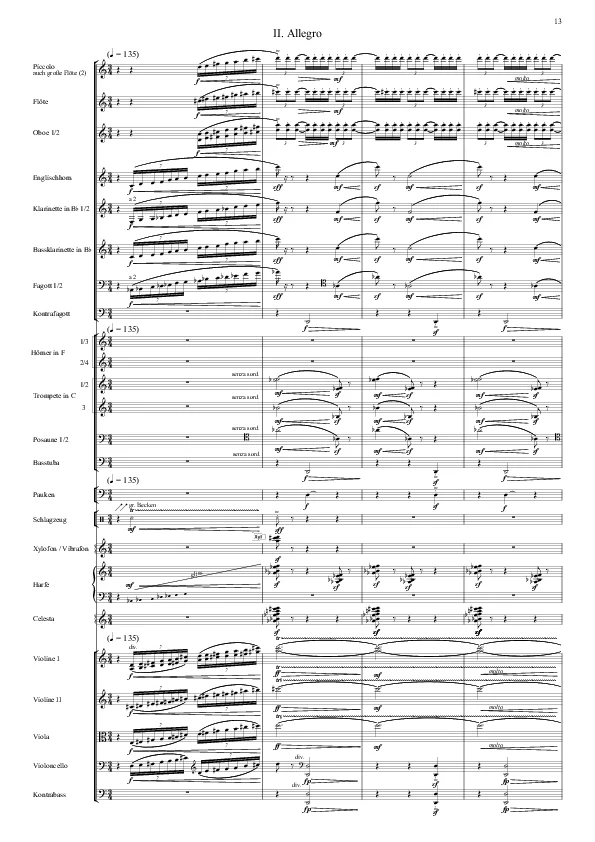
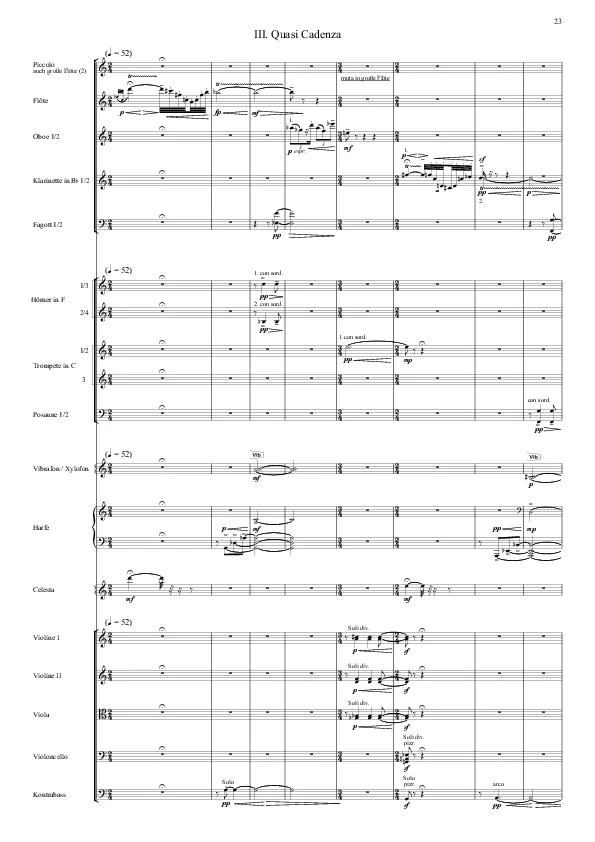
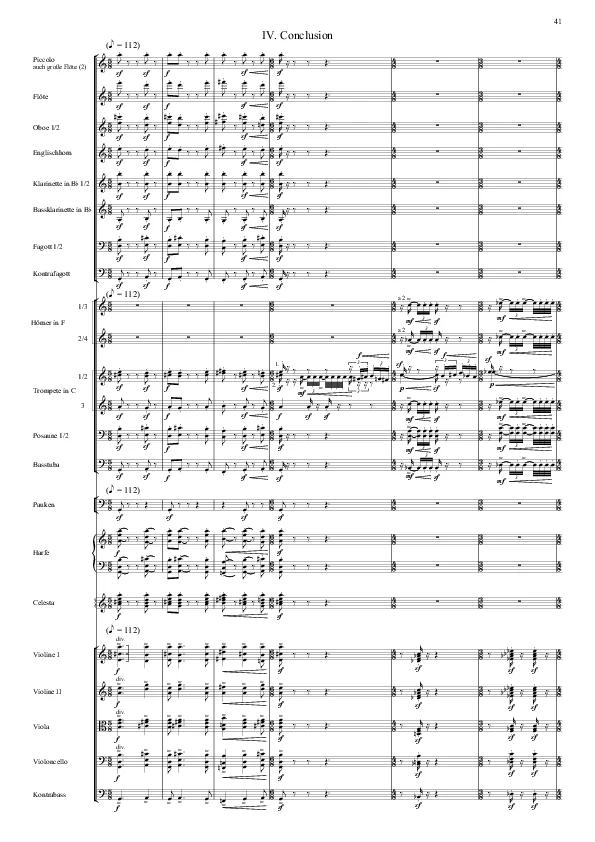
I. Introduktion - Adagio, II. Allegro, III. quasi Cadenza - Presto più mosso, IV. Conclusion
Instrumentation
3.3.3.3-4.3.2.1-timpani, percussion, harp, strings
Duration: 13 minutes
Publisher
N. Simrock Berlin-London (Boosey & Hawkes)
Score EE 5331/ ISMN M-2211-2122-6 (for sale) Parts (loan material)
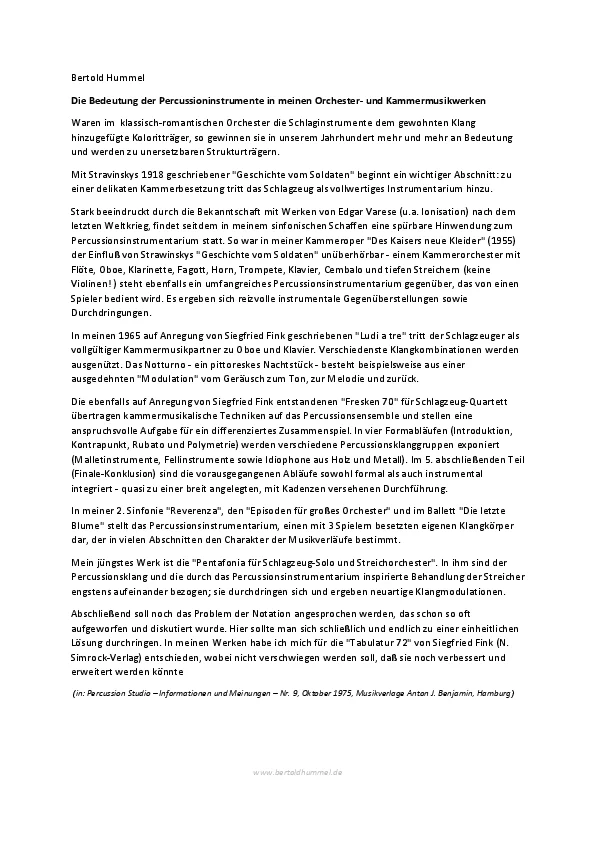
B. Hummel: The Importance of Percussion Instruments
Fränkisches Volksblatt, 29 May 1978
Hummel's "Episodes", three concise, lively dance scenes, achieve extremely refined sound effects that fully exploit the possibilities of the orchestral apparatus and are rhythmically particularly complex, while the melodies are rather sober.




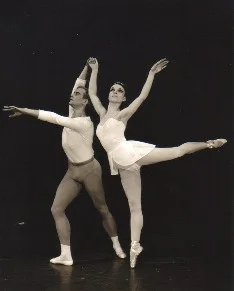
The almost 15-minute episodes for large orchestra were commissioned by the Oldenburg State Theatre in 1962 and premiered there as a ballet (pas de deux). The work combines characteristic dance scenes in the following sequence: Introduction-Adagio, Allegro, Cadenza - Allegro molto and Conclusion. A seven-note tone sequence (modus) every semitone in the space of the tritone c-f sharp dominates the entire work and, due to the different movement progressions, makes it necessary to vary the basic material in many different ways.
Bertold Hummel
Preface (of the newly printed score by N. Simrock Hamburg-London - Boosey & Hawkes - 2007)
The "Episodes" for large orchestra were commissioned by the Oldenburg State Theatre in 1962 and premiered there as a ballet under the title "Pas de deux". The formal structure of the composition is based on the five phases of the classical "Grand Pas de deux", whereby the first two sections, Entrée and Adage, are combined into one movement. The basic musical material is determined by a seven-note mode (all semitones in the space of the trition c-f sharp), which is varied in many ways in the rhythmically characterised movements.
In a review of the premiere, it was said that the music, with its poster-coloured sounds and whipping rhythms, cries out for hard, bizarre movements.
In fact, this music is one of Bertold Hummel's most expressive scores in its wildness and conciseness and is equally suited to captivating listeners on stage and in the concert hall.
Martin Hummel