Ad Missam for 2 organs (op. 97f, 1993)
I. Introitus, II. Hallelujah, III. Offertorium, IV. Communio, V. Ite missa est
Ite missa est
2 organs
Duration: 15 minutes
Johannes Strobl | Armin Kircher
Title: "Ad Missam" op. 97f for 2 organs - written for the crossing organs of Salzburg Cathedral - Length: 19 pages - Dated: I. 12.Oct.93 II. 18.10.93 III. 11.11.93 IV. - V. 16.11.93 - Location: Bayerische Staatsbibliothek Munich
Schott Music ED 21268 / ISMN 979-0-001-17980-5
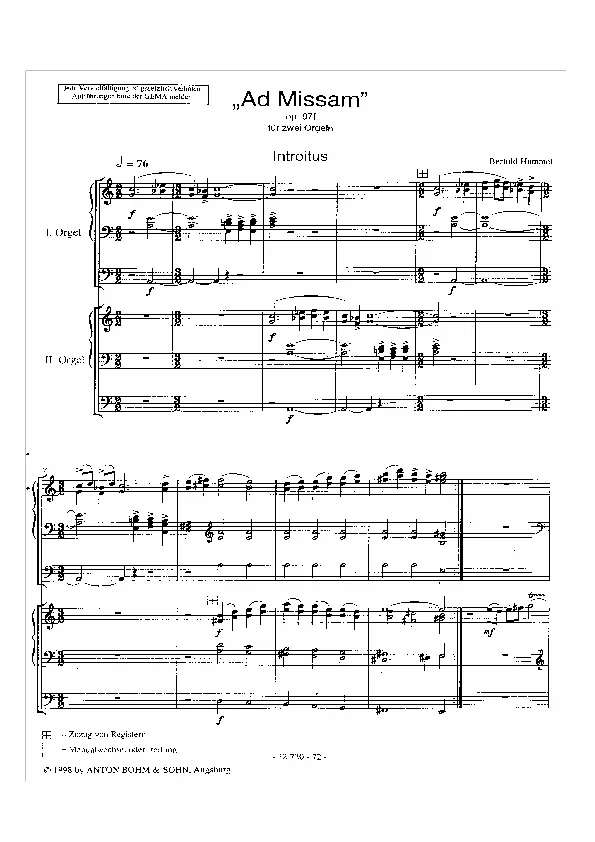
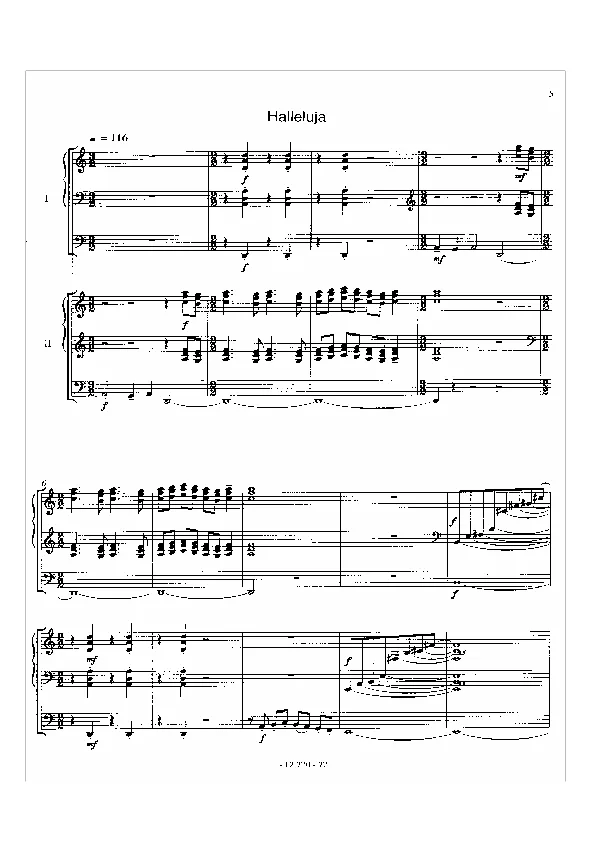
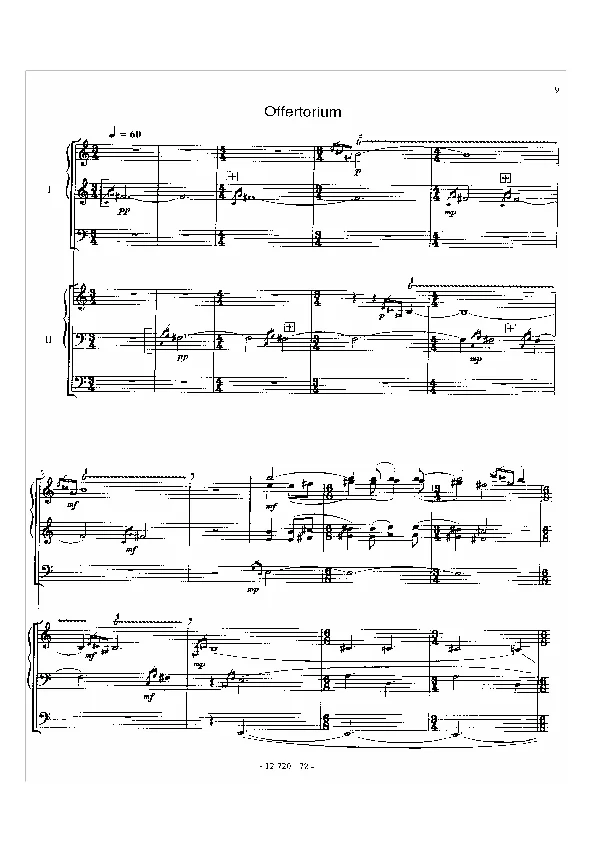
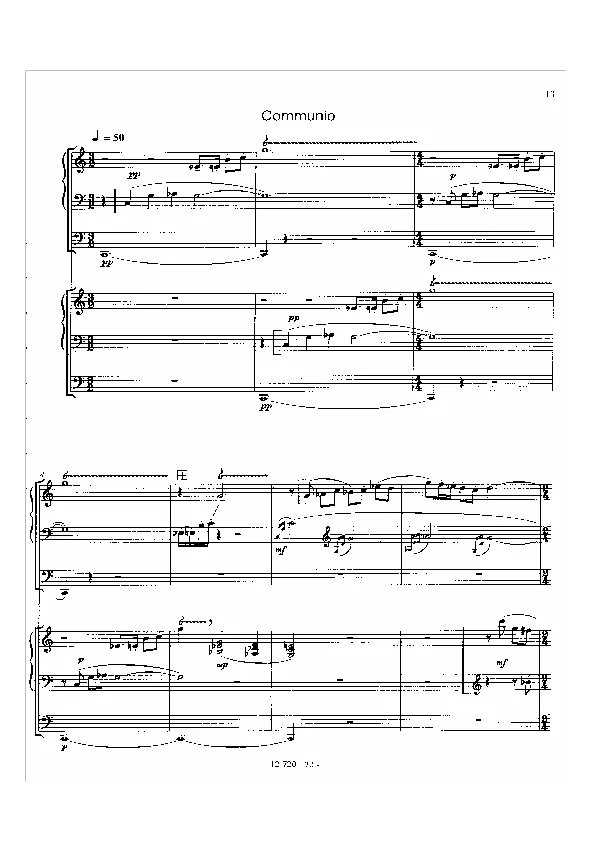
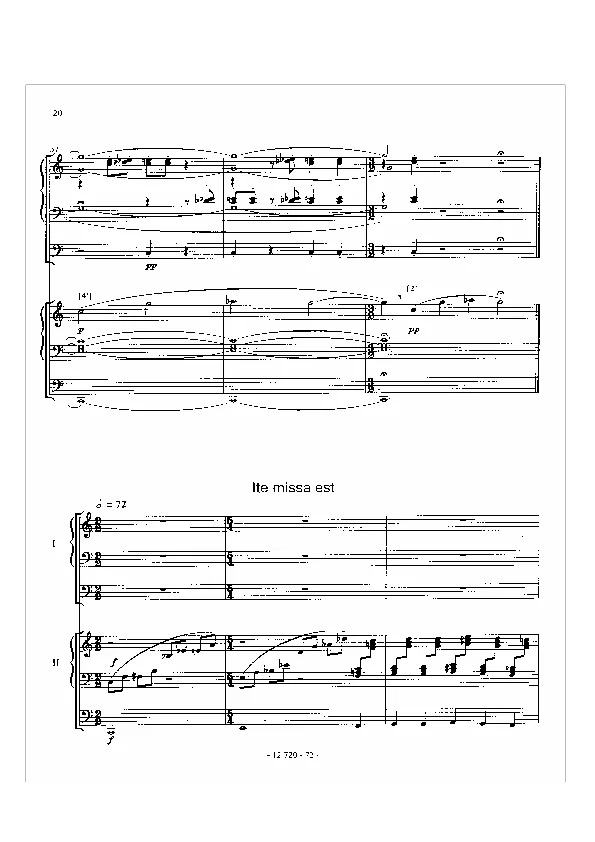
This organ work, comprising the movements ‘Introitus, Halleluja, Offertorium, Communio, Ite missa est’, is a splendid addition to the very limited repertoire for two organs. The composer employs both instruments with great organistic skill and to great sonic effect. As the piece ranges in difficulty from easy to moderately difficult, this impressive work is particularly recommended to all lovers of music for two organs. The only drawback to this brilliant composition is that it requires two instruments, each with its own pedalboard.
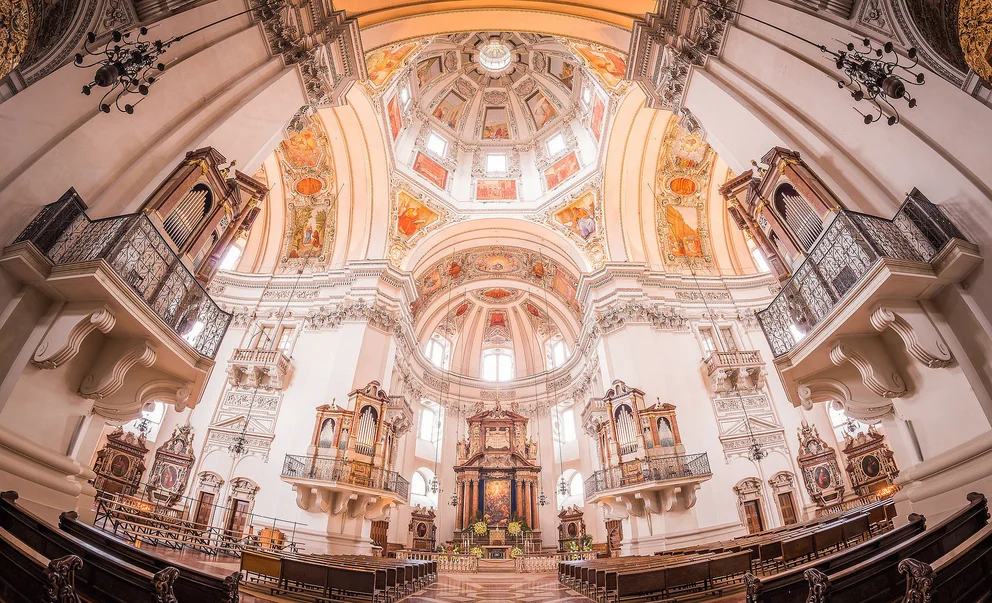
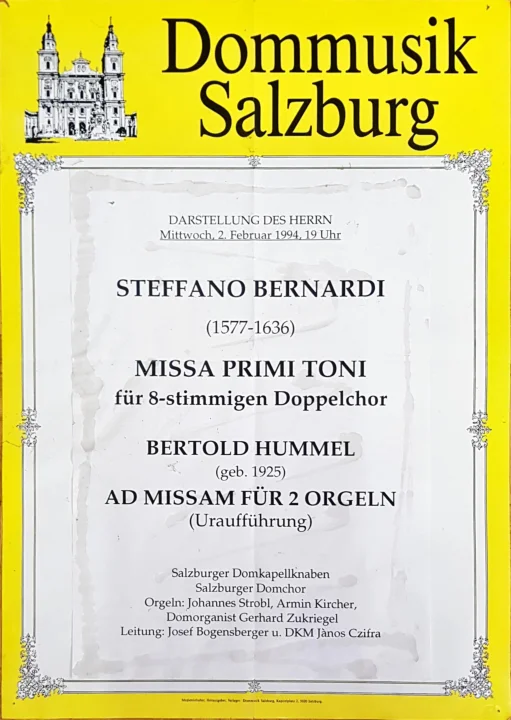
The organ composition *Ad missam* for two players was commissioned by the Salzburg Cathedral Music Department and was premiered in February 1994 at Salzburg Cathedral by the organists Johannes Strobl and Armin Kircher. The Würzburg composer Bertold Hummel (1925–2002) drew inspiration here from the two eastern crossing organs of the Metropolitan Church, which were built in 1991 by the Tyrolean master organ builder Johann Pirchner, modelled on the Baroque design of the previous instruments. A glance at the stop lists – the inclusion of these in the score would have been a useful addition – provides certain practical guidance for performance: for instance, the Gospel and Epistle organs each have 14 stops, distributed across the Great, Swell and Pedal divisions.
A review of the dynamic markings (from pp to ff) makes it clear that the tonal balance between the two organs was important to Hummel. In the musical text, he also specifies ‘manual changes or division’ as well as obbligato pedal. Owing to the tightly interwoven and often alternating structural pattern of the movements, a certain spatial proximity between the players should be ensured, which in turn allows for transparent sound projection. In particular, the motorically driven, toccata-like finale ‘Ite missa est’, with its parallel eighth-note movements and frequent changes to odd time signatures, would otherwise be almost impossible to perform in synchronisation. Undoubtedly, the aforementioned requirements regarding space and instruments mean that suitable performance venues are rather rare. Hummel was likely well aware of this problem himself, as his estate contains another version for brass ensemble and timpani.
The work, lasting a good 15 minutes, is of moderate technical difficulty. With the exception of the concluding ‘Ite missa est’ (based on the Missa de angelis), the individual movements are conceived as organ proper for the Mass. Four individual movements have been set to music here: Introitus, Hallelujah, Offertory and Communion. The latter two pieces are meditative choral metamorphoses based on the hymns ‘Was uns die Erde Gutes spendet ’ and ‘O Jesu, all mein Leben bist Du’. Soft ornamental figures and trills, the cantus firmus quoted as an archaic quintorganum, brief Siciliano-like episodes and fan-shaped figures are strung together here and, in some cases, interwoven. The use of such vividly prominent musical patterns creates a form that is immediately comprehensible. Hummel organically synthesises heterogeneous textures, formed, for example, from medieval organum-like sounds, ostinatos, chorale colouring and atonal melodic lines.
What is striking and interesting is the absence of the typical whole-tone scales, cluster chords and dodecaphonic elements found in many similar works of the 20th century. Against this backdrop, *Ad missam* documents various facets of Hummel’s solid compositional ‘craftsmanship’. This edition, attractively designed by the publisher, ingeniously expands the already rather limited repertoire for two organs.
Jürgen Geiger




Foreword (Schott Music)
Ad missam for two organs is a work commissioned by the Salzburg Cathedral Music Department for the two crossing organs of Salzburg Cathedral (each with a so-called ‘short pedal’). The pieces are intended as a kind of organ proprium for the celebration of Mass, but are equally suitable for concert performance. For the Hallelujah, Offertory and Communion movements, chorales and hymns from the Catholic and Protestant hymnals have been set to music. In keeping with the spiritual content of the texts, meditative sections alternate with lively, virtuosic passages. The Offertory and Communion movements are each meditations on the hymns ‘Was uns die Erde Gutes spendet’ (Geneva 1543) and ‘O Jesu’ (Hanover 1838). The final movement, a virtuosic toccata based on the ‘Ite missa est’ from the Missa de angelis (Vat. VIII), brings the work to a close .
At the world premiere in Salzburg Cathedral, Organ I on the Epistle side and Organ II on the Gospel side were used.
The composer’s estate contains orchestration instructions for this work for a brass ensemble (trumpets, trombones, flugelhorn, horn, tuba) and timpani.