Christus heri for precentor, congregation, choir and organ (op. 103h, 1997)
Instrumentation
Precentor, congregation, choir, organ
Duration: 4 minutes
Premiere
22 June 2000,
Würzburg, St Kilian's Cathedral
Würzburg Cathedral Choir | Siegfried Koesler
Autograph
Title: Draft of a sweeping verse - Length: 7 pages - Date: - - Location:
Publisher
Carus Publishing House
This work appeared in German and Latin in these two publications:
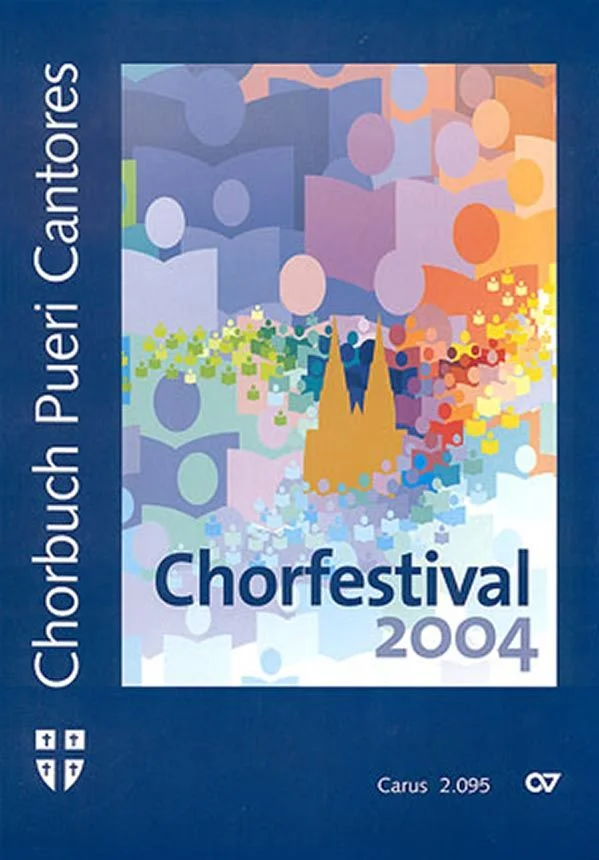
Chorbuch Pueri Cantores - Chorfestival 2004 CV 2.095/00 / ISMN: M-007-06788-5
Uses / Occasions: Eucharist, Lord's Supper, Peace and Justice, Praise and Thanksgiving
64 choral works from all eras
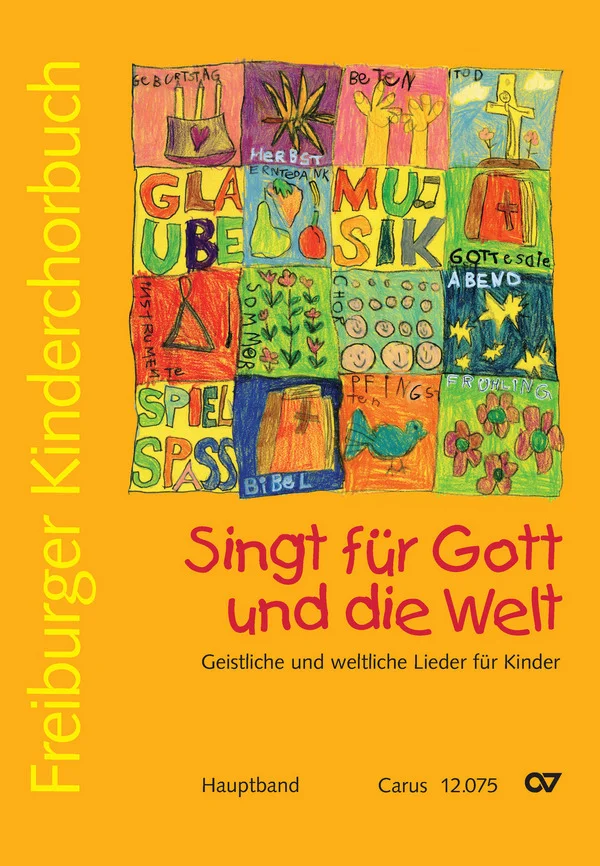
Freiburger KInderchorbuch CV 12.075 / ISBN-13: 9790007093174
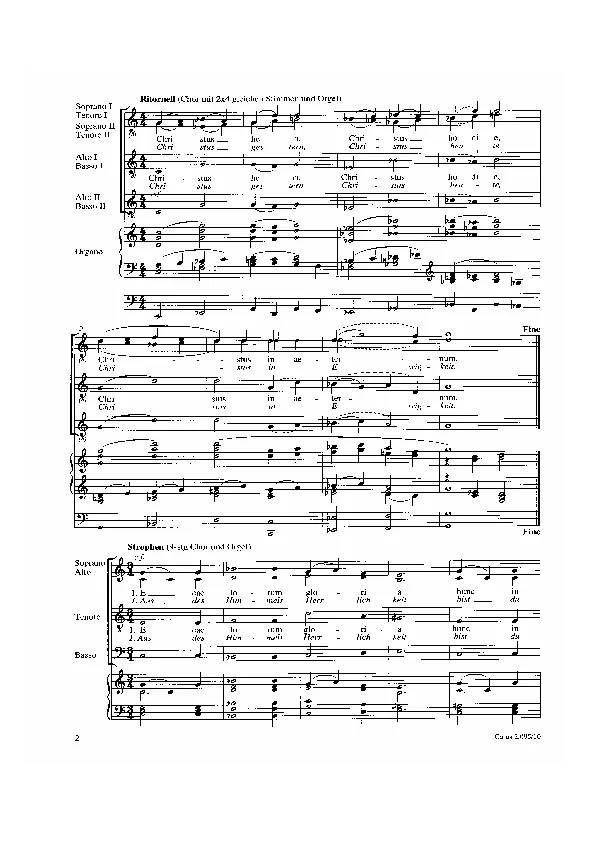
Single prints of "Christus heri" under the order number CV 2.095/10
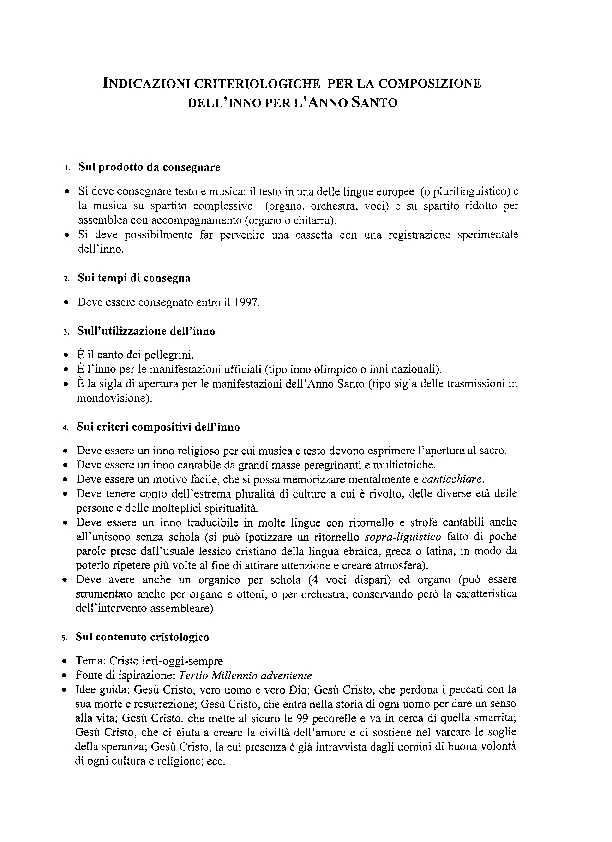
Op. 103h Tender document (Italian)
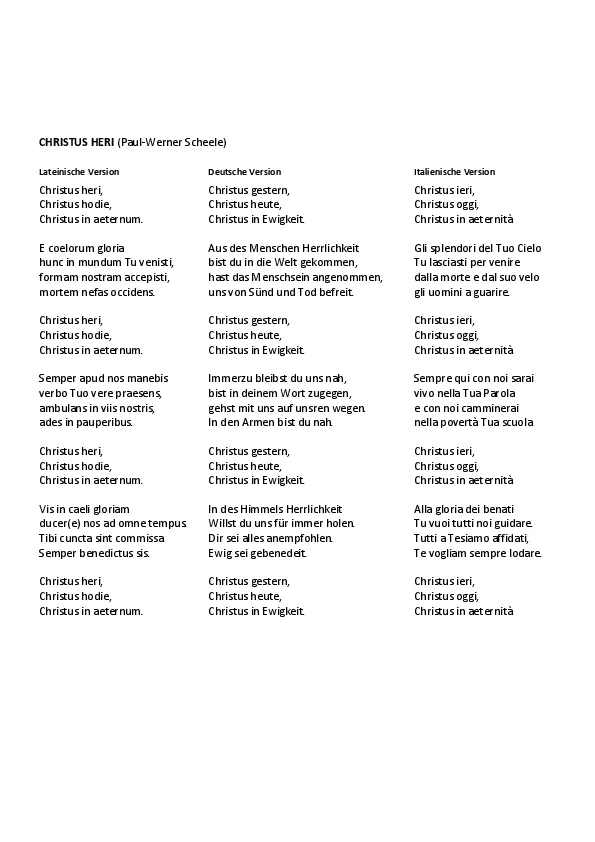
P. W. Scheele: Christus heri – in three languages




In March 1997, the Vatican invited composers from various nations to compose a hymn for the Holy Year 2000. Bertold Hummel was one of those chosen and at the end of 1997, together with his friend Paul Werner Scheele, Bishop of Würzburg, he composed the liturgical composition Christus heri for precentor, congregation, choir and organ. In a letter dated 30 December 1997, the composer expressed his willingness to orchestrate the piece. He prepared a particell for wind orchestra on 27 and 29 October 1997.
Martin Hummel
Incidentally, there was another collaboration (with Bertold Hummel) as we approached the big year 2000. Now it's so far behind us that we no longer have an eye on what happened or was organised beforehand. Pope John Paul II wanted it to be celebrated as a very special year of salvation and did everything he could to prepare for it. He also wanted to take it to a new ecumenical level and expressed this in writing. A special ecumenical commission was set up by the Vatican to promote this. I myself was put in charge of it and was therefore also informed about what was going on beyond our commission in the overall preparations.
They were also looking for a musical leitmotif for the year. I encouraged the professor to get involved. The motto for the anniversary was the words from the letter to the Hebrews:"Jesus Christ yesterday, today and forever". I made short texts for the three motifs "yesterday", "today" and "eternity". He then also set them to music, but always with the repeated antiphon - you could also call it a refrain - "Jesus".
In my opinion, this also became one of the most impressive compositions. In Rome, they favoured something more catchy that everyone could sing along to immediately. It was advertised internationally, but I think a lot of it has lasting value. In any case, I think it's good. We also made sure that we had Latin translations as well as German lyrics, so that shouldn't be a problem.
Paul-Werner Scheele (in an interview with Anna Hummel on 27 September 2007)